Introduction: Seeing as a Social Act
Somewhere in Las Vegas, a tourist is being paddled by a gondolier through an artificial canal underneath a painted ceiling which resembles a summertime Venetian sky. Some of the tourists who are taking photographs might never have been to Venice, and some may never go, and yet they immediately recognise what they are gazing at and find it beautiful. At the same time, thousands of miles away, a polished digital render portrays sanitised public spaces, wide clean boulevards, and futuristic glass skyscrapers on a billboard in Nairobi. It is Utopia, and it doesn’t exist; however, the residents passing by see it on a daily basis, and some begin to see that their own neighbourhood is aesthetically lacking in comparison. Both cases share the same mechanism, namely that globally circulated imagery has taught ordinary people what to find beautiful prior to experience. Indeed, the question concerning the origin of popular ideas about aesthetics has not been taken seriously, and it is oftentimes informed by common sense trends which treat aesthetic response or judgement as something immediate and subjective. Underlying this is a further popular idea, namely that objects and places carry intrinsic aesthetic value, which obscures the extent to which aesthetics is socially learned. As a result, the underlying argument that I will be making throughout this paper is that popular ideas about aesthetics are the consequence of a specific type of social conditioning. To do so, I will employ Bourdieu’s thesis in Distinction (1984), where he shows that this immediate response is nothing other than the byproduct of prior learning. In fact, he claims that taste is a form of cultural competence where, when people find something beautiful, they implicitly know how to recognise it, and recognition requires a prior visual vocabulary that is socially distributed. In other terms, what feels like a spontaneous aesthetic response is, in most cases, the exercise of a socio-cultural training that has been fully absorbed and has become invisible.
Taste can be learned, but it can also be taught at scale, and globalising processes are precisely those mechanisms through which this aesthetic education operates globally, and Appadurai’s notion of mediascapes, as developed in Modernity at Large (1996), will provide a way of thinking about how this expansion works. The global flows of images he describes offer a visual environment within which perception itself is formed. These mediascapes are not neutral conduits since they carry particular visual models and circulate specific templates of beauty across populations and contexts. Thus, if Bourdieu shows that taste is socially produced within the French context, Appadurai, on the other hand, reveals how globalising processes have extended that production across boundaries. This has led to the creation of aesthetic responses that feel local but that are nonetheless globally distributed. Both of these theoretical frameworks animate the two cases that I decided to explore in this essay. Firstly, I will be looking at Venice, where the work of Baudrillard (1994), Urry (1990), and Russo (2002) will allow me to explain how ordinary tourists arrive in the city with a pre-formed aesthetic script assembled through decades of global image circulation and further intensified by the Instagram practices that Rossi et al. (2018) have documented. Indeed, I will argue that in Venice, popular aesthetic judgement operates primarily as recognition, namely that visitors find the city beautiful because what they choose to see confirms what they were taught to expect. Conversely, the second will be employed to shift the dynamics in a revealing direction. I will draw on Constance Smith’s (2019) ethnographic fieldwork in Nairobi and Myers’ (2015) analysis of Kenya’s Vision 2030 to describe how a globally circulating model of the “world-class city” has penetrated the perceptions of the city’s own residents and shaped how ordinary Nairobians evaluate their neighbourhood, their urban future, as well as the city they already live in. The two examples provide two perspectives on how aesthetic judgement is informed by globalising processes. Venice shows how a globally circulated aesthetics arrives from the outside with tourism, while Nairobi shows the same process working inward as they reshape how people see the place they call home.
Venice: The Aesthetics of Recognition
Mediascapes and Simulacra
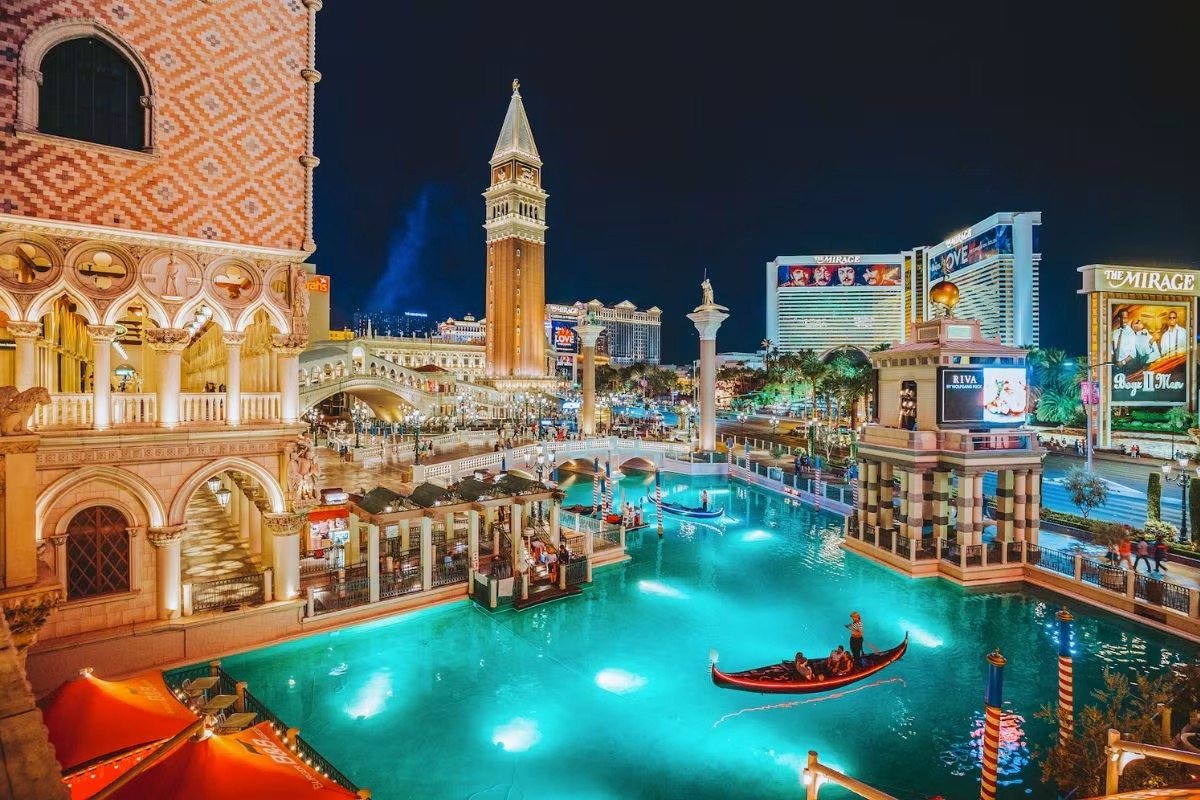
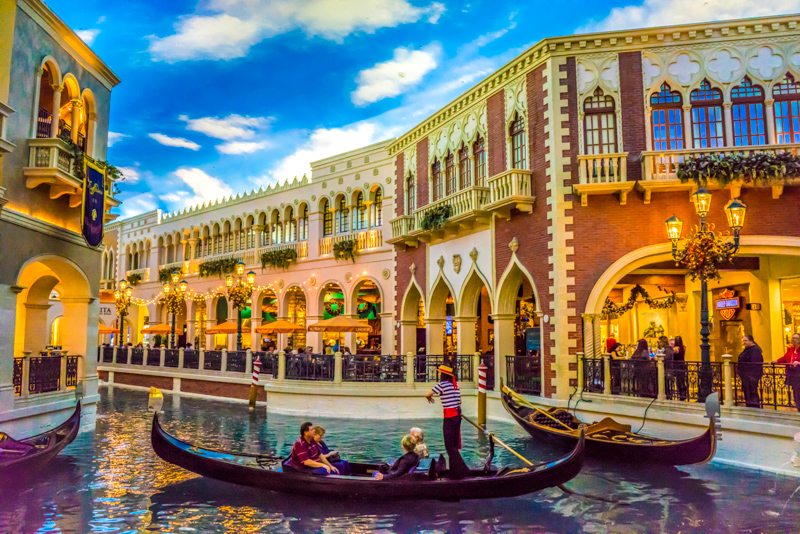
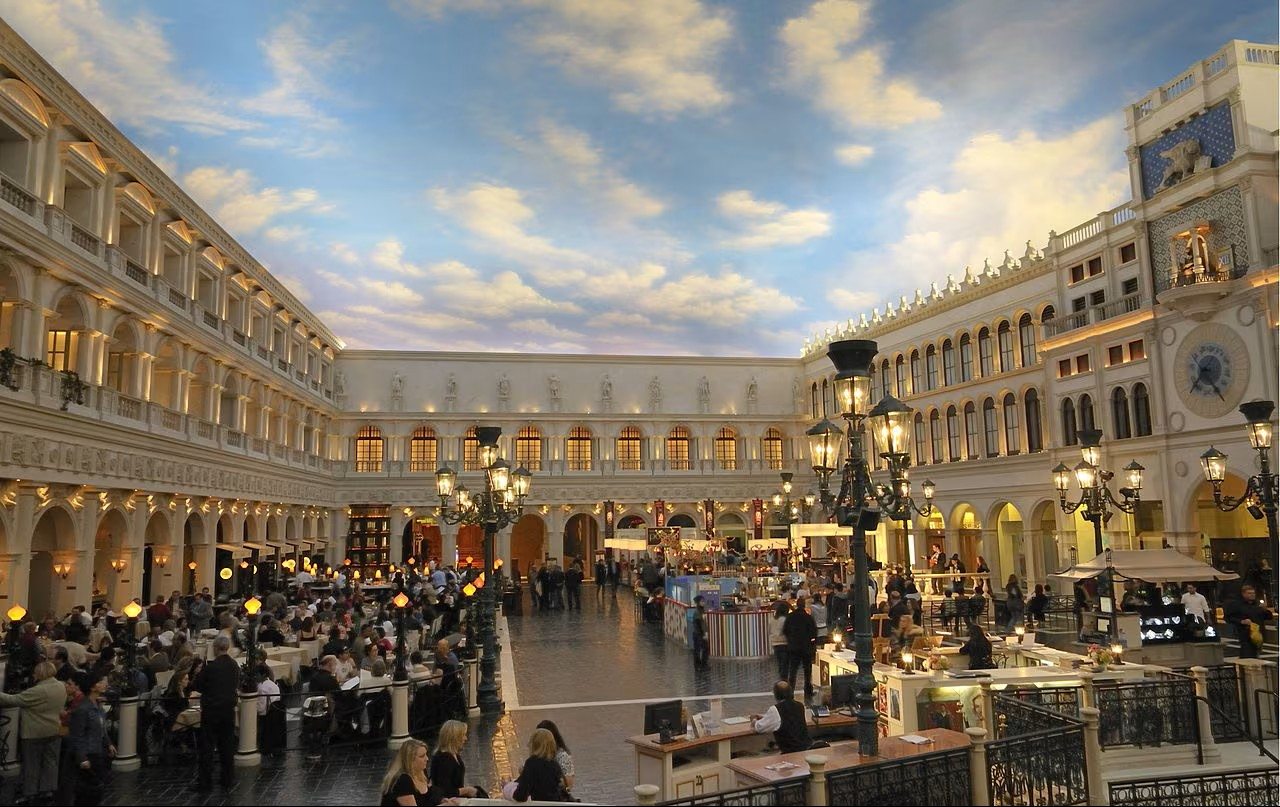
Tourism allows for a clear understanding of this aesthetic mechanism as it is one of the few forms of popular experience which is explicitly structured in advance. In fact, people decide where to go, what to visit, and what to photograph, influenced by a saturated visual environment which precedes their departure. Venice is a particularly exemplary case since its global image circulation is so extensive that visitors' aesthetic expectations have become almost entirely detached from direct experience. At the core of the Venice case is a condition that Appadurai’s (1996) concept of mediascapes illuminates with precision. According to the American anthropologist, mediascapes are image-centred and narrative-driven constructions of reality which provide their audiences with the raw material out of which they assemble scripts for imagined lives and, in this case, imagined places. Indeed, he observes that the greater the distance between audiences and the places these images depict, the more these audiences are likely to experience these places as “chimerical” and aesthetic objects. As a result, mediascapes are virtual landscapes constituted by the accumulated visual scripts and models that media, through either public or private interests, distribute onto the public sphere on a global scale (pp. 35-36). Venice, in my view, provides a clear example of this dynamic. Indeed, its main canals, bridges and facades have been circulated extensively across film, advertising and travel media, so that most visitors arrive with a preconceived and aesthetically detailed notion of the city. This is corroborated by what Baudrillard theorises in Simulacra and Simulations (1994, pp. 1-7) through the concept of the simulacrum. The latter, for the French theorist, is not a mere copy of the original but is a representation that severed any relationship with the underlying reality and now replaces it by becoming the main point of reference. If this argument is applied to the Venice case, it follows that the complex of images circulating (the simulation), which finds its most literal materialisation in the Venetian Resort in Las Vegas, constitutes the aesthetic standard against which the tourists encounter and judge the city (Figure 1). Indeed, it could be inferred that when visitors arrive in Venice, their aesthetic response, the sense that what they see is immediately beautiful, is a cognitive response to the visual model they already had in mind before their arrival. As a result, if the simulacra, in other words, mediascapes, precede the real, what does this mean for the popular aesthetic ideas that tourists carry away from the encounter?
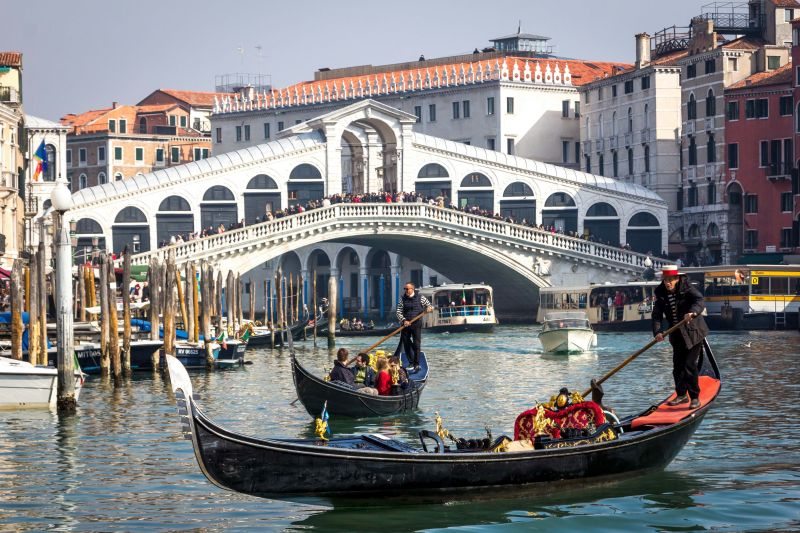
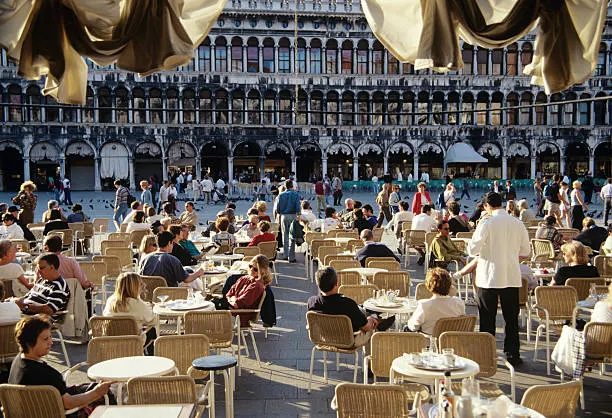
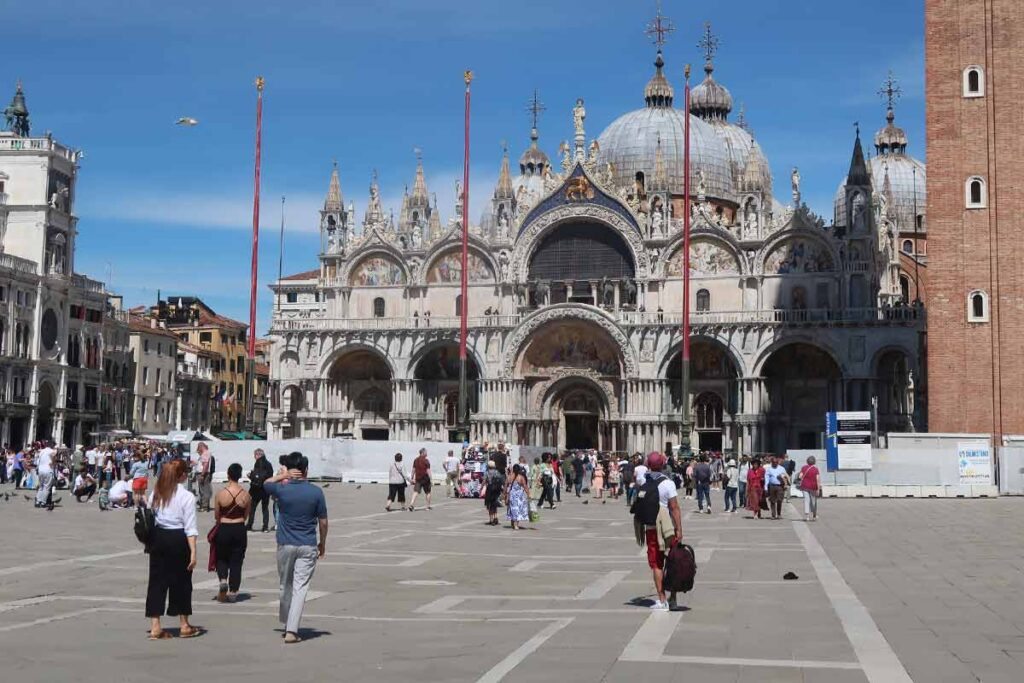
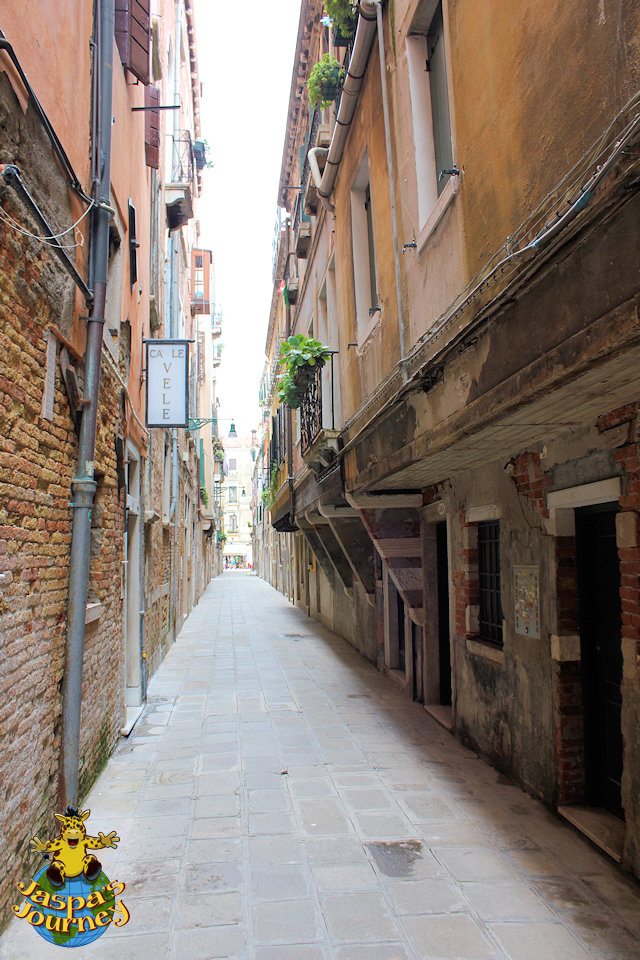
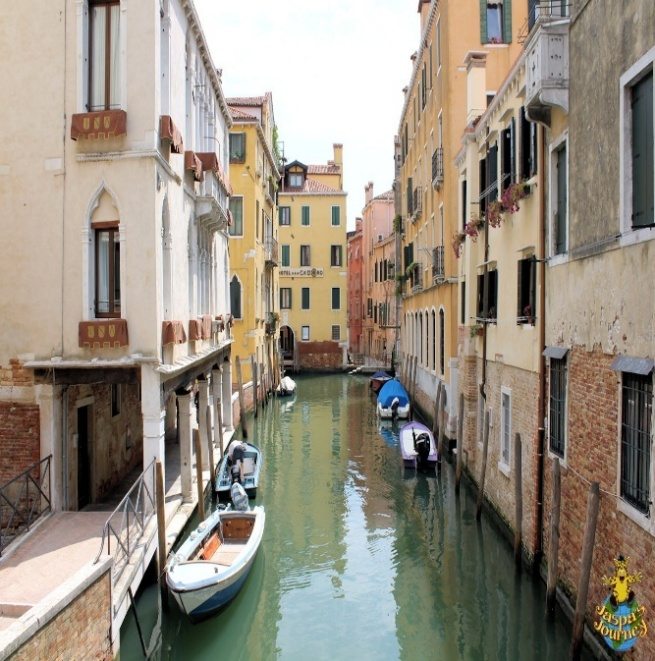
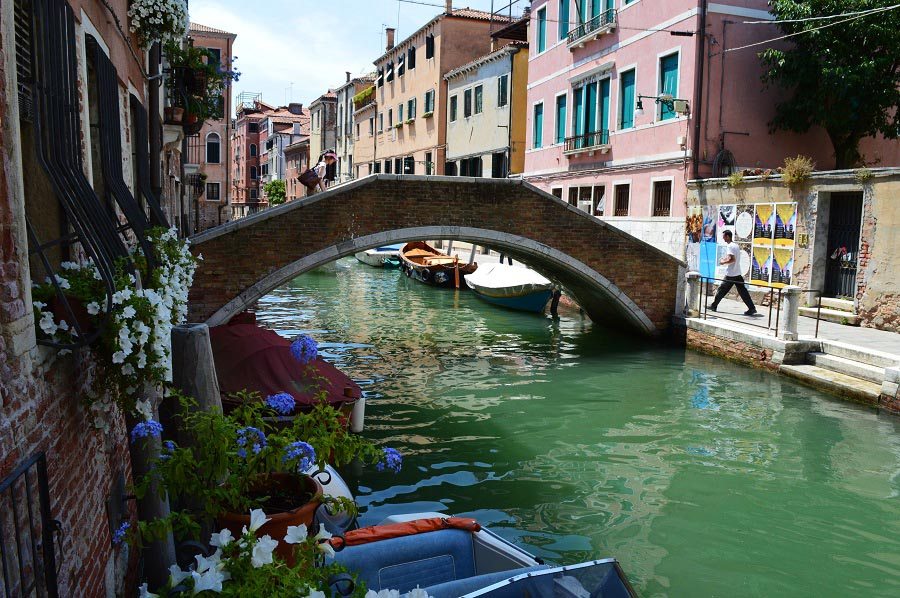
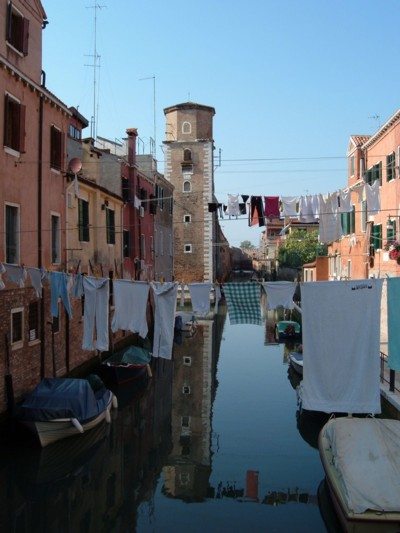
The most immediate empirical consequence of this question is geographic. In fact, Venice comprises six districts, a complex network of canals, an extensive lagoon, and alleyways whose residential and working lives extend beyond the handful of sites which have been commodified by mass tourism. As Russo (2002, pp. 174-175) documented, between the months of July and October, visitors constitute the majority demographics that congest the central area of Venice, which accounts for 56.9%, and crowd around the main attractions such as St. Mark’s Square and Rialto Bridge (Figures 2 and 3), which are the two locations most heavily represented in the global circulation of Venetian imagery. Here, Bourdieu’s (1984) account of aesthetic perception clarifies why this geographic concentration is predictable and consistent. For the French sociologist, the ability to see something as aesthetically meaningful depends entirely on the conceptual and visual vocabulary available to the viewer, meaning that perception is actively structured by codes that previous cultural training has made available to the subject. For instance, a work of art or a place provides aesthetic meaning to those who already have the cultural training to decode it and to recognise it as significant (pp. 1-5). The tourists who crowd St. Mark’s Square are not doing so freely, since they move according to where their perceptual conditioning directs them, that is, to the locations that have been encoded within the mediascape they live in. In fact, Cannaregio’s residential alleyways or Castello’s canals are beautiful and underrated locations in Venice, but since they are not registered within the simulacrum, they become aesthetically insignificant to the tourist (Figures 4 and 5). On this note, in The Tourist Gaze (1990), Urry argues that tourism is analytically crucial for comprehending how people direct their attention as tourists. Indeed, he states that the selection of which places to see is caused by “anticipation, especially through daydreaming and fantasy, of intense pleasures” sustained by a collection of signs and representations to which they are routinely exposed (p.3). Once at the destination, the tourists’ attention is drawn to those environments that feel visually abstracted from the textures of everyday life, forcing people to “linger over such a gaze which is then normally visually objectified through photographs, postcards, films, models and so on” (p.3). As a result, it is through this process of objectification that the gaze reproduces itself, generating a visual feedback loop that will shape the expectations of future visitors. Rossi et al. (2018) confirm this mechanism through their research, which collected and analysed 90,000 Instagram photos tagged with Venice between January 2014 and December 2015, and their findings reveal the existence of a clearly defined tourist hotspot (p. 1190). The highest density of townscape images is concentrated around the Rialto Bridge and St. Mark’s Square. In addition, they identified a predictable path connecting the Santa Lucia railway station to St. Mark’s Square via Rialto, where the majority of folklore-related pictures were taken, with St. Mark’s alone accounting for 19% of the images during the Carnival Period (pp. 1194-1195). The images tourists produce circulate through social media and re-enter the global visual environment, thereby reinforcing the aesthetic conditioning that affected them in the first place. The content of the mediascape is continuously replenished by the very audiences it has captured, forming thus a loop sustained entirely by the aggregated image practices of millions of ordinary people.
All these analyses converge on a single point, namely that in Venice, popular aesthetic judgement operates as a socially structured form of recognition. Despite experiencing the city’s beauty as an immediate subjective phenomenon, the tourists are the final step in a global process which assembled and distributed its visual models before their arrival. In other words, the pleasure of standing in the middle of St. Mark’s Square is genuine, but this satisfaction stems from the fact that it matches the perceptual programming one already possesses. Moreover, the Venice case allows the keen observer to notice that there is a relationship between popular aesthetics and exclusion, since the mediascape informs people on what to find beautiful and trains them on what to ignore. As I showed beforehand through Russo (2002) and Rossi et al. (2018), the fact that the majority of visitors’ attention is concentrated around St. Mark’s and Rialto represents, in my view, the geographic expression of an aesthetic impoverishment. Indeed, an entire city has been reduced, within popular perception, to a handful of reproducible images, and what falls outside those images has been rendered aesthetically insignificant. Therefore, the popular aesthetic of Venice is, in this sense, a structure of simultaneous visibility and invisibility, in which what is elevated as beautiful requires the aesthetic erasure of everything else. Hence, if Venice shows how globally circulated aesthetic models are projected onto the city from the outside through the trained tourist gaze, the question I will pursue in the Nairobi case is what happens when the same process works inward, that is, when the residents' aesthetic perceptions are reshaped by a mediascape that puts into question the beauty of their own living space.
Nairobi: The Aesthetics of Anticipation
Vision 2030 and the Colonial Mediascape
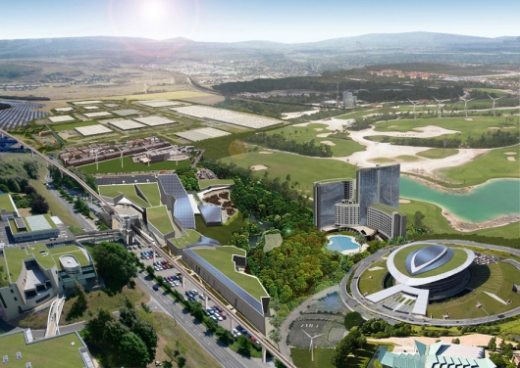
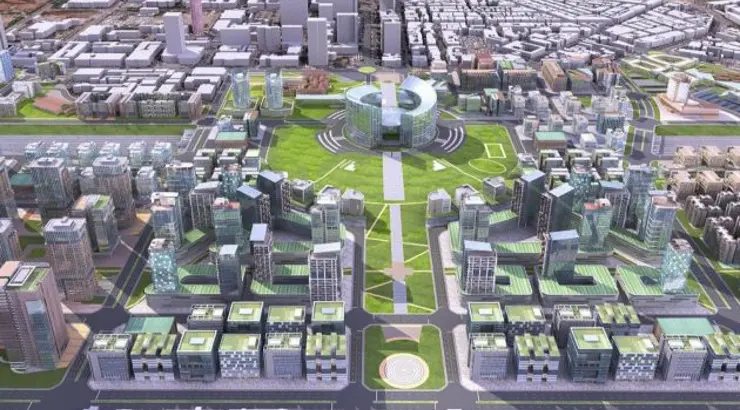
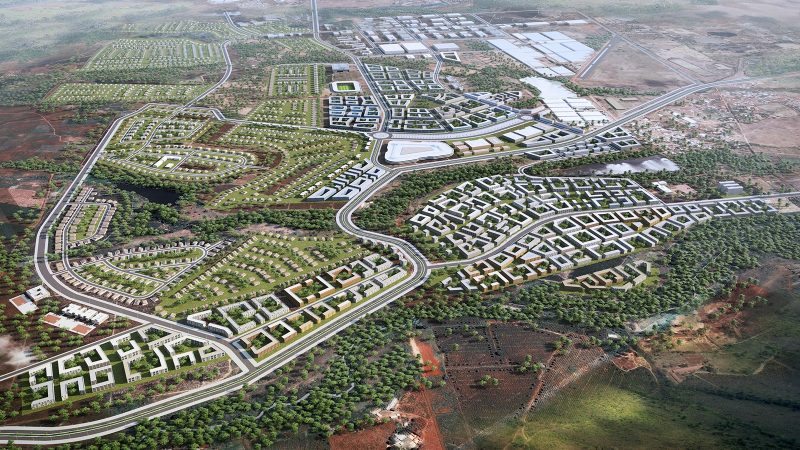
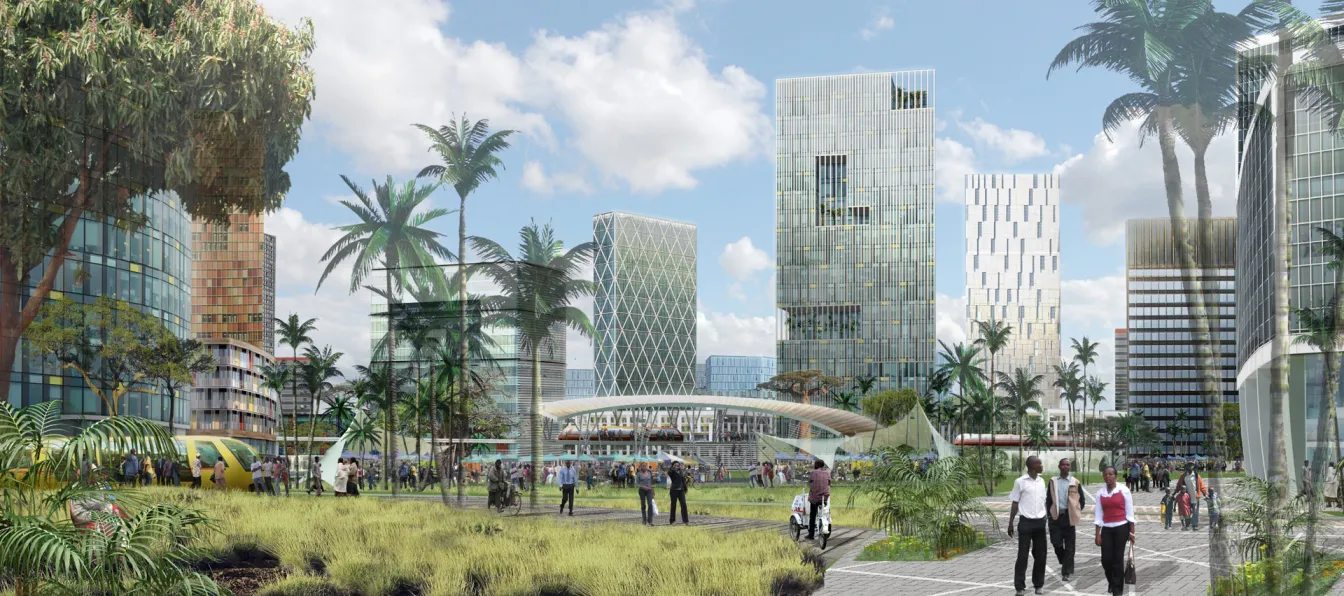
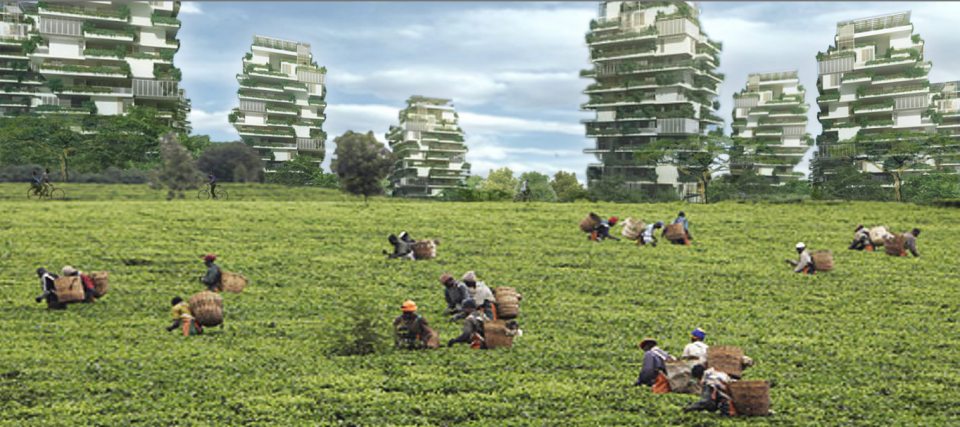
The vehicle through which this inward process operates in Nairobi is Kenya’s national modernist dream, Vision 2030. As Myers (2015) states, a wave of international development strategies is affecting major cities in Sub-Saharan Africa, driven by the availability of cash generated by globalisation and by the growing interest of outside powers, foreign investors, as well as international bodies such as the World Bank in the continent’s cities. This external orientation has deep colonial roots, as urban planning in Nairobi was historically characterised by a racially segregated spatial order and surveillance, thereby leaving a legacy that future planning visions have inherited. Indeed, Nairobi’s elite and planners have been trying to realise this imported and inherited model of the European settler colonial “garden city” or “green city in the sun” into a “world-class city region” (pp. 329-330). This is confirmed by the fact that in order to gain global urban legitimacy, they have borrowed from Western aesthetic standards and visual models, which is evidenced by the plan’s own visual themes, since its documentation contains fifteen photographs of the central business district with futuristic skyscrapers, fourteen images of new infrastructure and transportation, and six showing planned suburban elite housing developments. However, Myers notes that there are no photographs of Nairobi’s slums or other informal spaces (pp. 340-341). The most tangible achievements the plan has produced are the road and rail projects, which have been implemented through non-democratic and oppressive means, showing how the Kenyan elite were caught in a neo-colonial vision of Nairobi that excluded regular people's development needs. As a result, what Vision 2030 circulates is a chimerical, or better, illusory representation assembled from the aesthetic preferences of global investors and colonial planning ideology (Figures 6 and 7). This is another example of a mediascape that offers residents a visual model for an imagined city, imposing, therefore, a Western colonial visual standard against which their actual living environment can only appear as aesthetically lacking.
Nevertheless, the plan’s exclusionary visual logic did not prevent its imagery from penetrating deeply into those very neighbourhoods it has rendered invisible. As Smith (2019) recounts, on 11 December 2013, a large billboard, which was interestingly erected without warning or public consultation, appeared overnight just outside Kaloleni, a neighbourhood with run-down buildings and poor maintenance. It consisted of a digital rendering of high-rise apartment blocks arranged around a multi-lane highway, accompanied by the slogan “Mabadiliko Yetu” (Our Changes), which signalled a promise of an inclusive urban future (p. 159) (Figure 8). What’s more interesting is the stark contrast with the actual condition of the area, since the billboard did not refer to the real Kaloleni, but it superseded it by projecting a utopic alternative onto it, by forcing a specific aesthetic standard on its residents. What Smith’s ethnography reveals, and what makes it valuable for this essay’s argument, is that the failure to implement Vision 2030, especially in these areas, instead of weakening its aesthetic power, intensified it. Indeed, despite its logistical failures and corruption, the utopian visual logic circulating in Nairobi continued to have a hold on its citizens’ vision, producing, therefore, important imaginative and speculative effects. Indeed, the plan’s visual and linguistic culture, through its digital simulations and images of the future city, acted as technologies of seductive power which permeated everyday urban life by reorienting the aesthetic terms through which residents visualised both their neighbourhood as well as their future (p. 165). Contrary to what Myers argues, Smith claims that the futuristic aesthetic models of Vision 2030 are not solely the work of technicians and bureaucrats but are also embodied in regular people’s everyday dreams and practices (p. 168). Consequently, she sees the aforementioned contrast between the billboard imagery and Kaloleni as a form of temporal simultaneity, in which the “not yet” is projected back into the present (p. 167). This confirms Baudrillard’s thesis stating that the simulacrum, or mediascape, has displaced reality, and in this case temporal linearity, as the primary aesthetic reference point. It also corroborates Bourdieu’s (1984) account of aesthetic conditioning, since in her ethnography, young Kaloleni residents like Calvin were quite explicit about the fact that their domestic aspirations and their sense of what a desirable home should look like are shaped in part by the glossy images of urban panoramas circulating around them. This confirms how his fantasies surrounding the future of his environment are intimately tied to the digital architecture and visual culture of Vision 2030, where “dream houses take shape like castles in the sky” (p.170), which is reminiscent of the daydreaming effects which Urry (1990) refers to when talking about the psychology of tourists’ anticipation of the selected locations before arrival. Even if this urban plan were to remain immaterial, it has already created new aesthetic economies of anticipation as locals constantly recalibrate their aspirations and try to predict the horizons open to them.
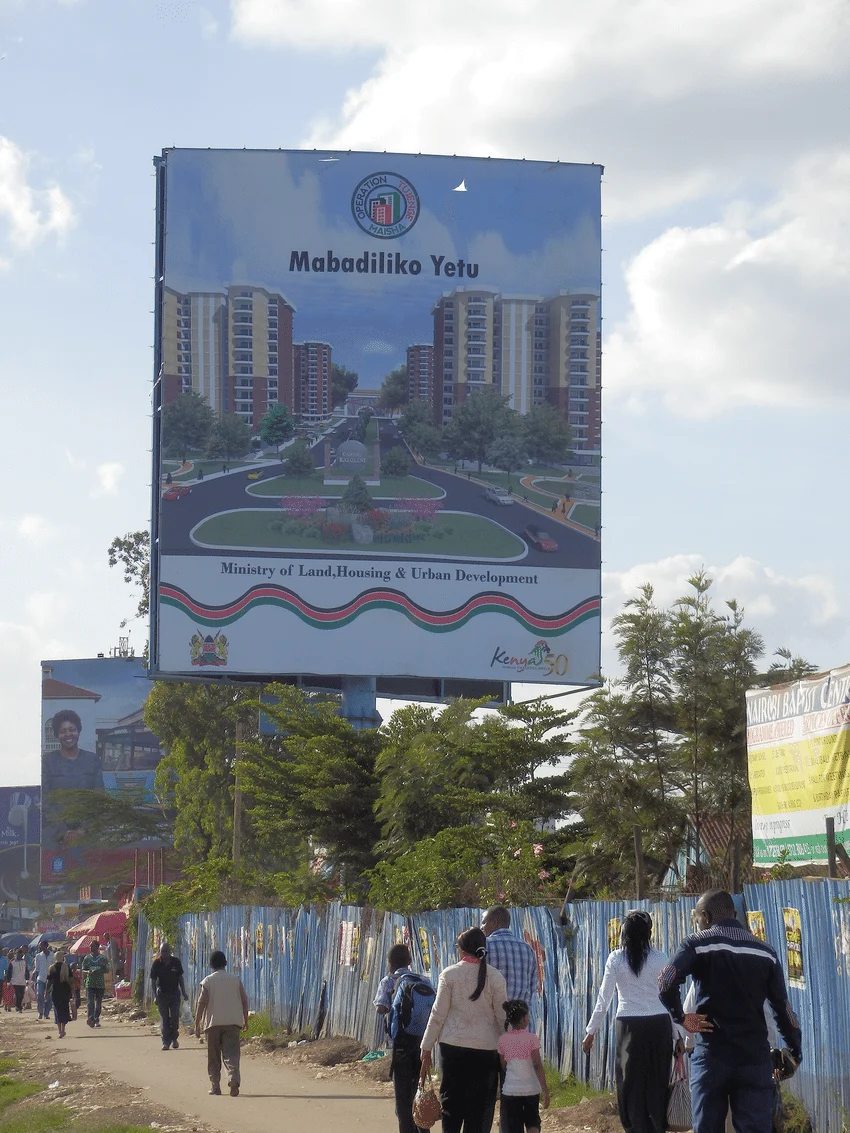

The Nairobi case added a new dimension to this paper, since the same globalising mechanisms that train tourists to recognise Venice’s beauty before they arrive have here penetrated the domestic imagination of Nairobi’s residents, by reorganising their aesthetic sense of what a beautiful city, a beautiful street and a beautiful home should look like. This, in turn, creates an aesthetically deficient environment in the locals’ imagination. Smith’s (2019) ethnography reveals the perceptual implications of the aesthetic conditioning which Bourdieu (1984) discusses. In fact, Calvin experiences his material and aesthetic aspirations as his own and not as a byproduct of a globally distributed visual model. This can be viewed as a form of aesthetic alienation whose primary mechanism is described by Appadurai’s (1996) concept of mediascape, namely, a globally distributed and commercial image infrastructure that, in this case, saturated the city of Nairobi’s public sphere, including that of its working class. The utopian city portrayed on the billboard remains unbuilt, but the kind of aesthetic judgment it projected on Kaloleni has already been actualised in the residents' minds.
Conclusion
To conclude, the two cases I examined in this paper reveal a single underlying condition of contemporary aesthetic perception, namely, that the images people encounter before experience has taken place quietly determine what experience itself will mean. The tourist in Venice and the resident in Kaloleni are separated by history and geography; nevertheless, they are united by the nature of globalising processes that have shaped their visual worlds by allowing them to reach their aesthetic judgements through the same structural processes. Indeed, a mediascape has assembled a visual template, which circulated through the infrastructural flows Appadurai (1996) describes and installed it as the perceptual reference through which a place is encountered and evaluated. What Bourdieu (1984) allows us to observe is that this installation leaves no visible trace in the subject, as the aesthetic competence it produces feels deeply personal and immediate, which is precisely what makes it so effective as a form of social conditioning. Moreover, it would be reasonable to assume that the broader implications of this argument extend beyond tourism and urban planning. Certainly, if popular aesthetic ideas are systematically produced through the global circulation of visual models, it follows that whatever people understand as the object of their own taste, whether it is cities, homes, films, or art objects, is increasingly shaped by the same commercial and ideological interests that control the circuits of image production and distribution. The tourist in Venice interiorises an aesthetic logic assembled by global tourism and entertainment industries, whereas the Nairobi citizen absorbs a model assembled by global development institutions with roots in colonial planning. In neither case was the recipient of the simulacrum consulted about its content, and in neither case are they aware that the alienation they experience as aesthetic is in fact the exercise of a socially distributed perceptual programme. The effectiveness of this form of social engineering lies in the fact that it leaves no trace of external imposition, as Bourdieu’s account of habitus makes clear (p.170). Hence, the asymmetry between those who produce visual models and those who consume them deserves particular attention. In fact, in both cases I examined here, the mediascape originated outside the community whose aesthetic perception it reshaped, manufactured by industries and institutions that have a political and economic stake in how those communities experience and judge their world. The fact that, in both situations, the visual template felt naturally aesthetic is a testament to how powerfully insidious and persuasive information circuits have become in shaping people’s sense of taste, and it raises questions about the importance of aesthetic diversity in a globalised world. The concern extends beyond the visual homogenisation of tourist destinations and the replication of “world class cities” across African, Latin American and Asian cities, since the perceptual languages through which people evaluate visual experiences are themselves converging around models produced by a small number of commercially and politically dominant centres of image production. My claim is that aesthetic diversity will require that people possess the necessary perceptual education to recognise and value visual forms that fall outside the dominant paradigms, and, in my view, it is precisely this education that Appadurai’s mediascapes are progressively narrowing. In this essay, the spaces which fall outside the dominant visual script, such as Cannaregio and Kaloleni, do not and will not register as aesthetically meaningful to those whose perceptions have been formed by images produced by the mainstream. Smith’s (2019) ethnographic work in Kaloleni shows that locals actively reconfigure the visual models surrounding them by generating their own aesthetic evaluations that sometimes subvert those which produced them in the first place. Once someone acquires the cultural competence needed to form an aesthetic judgement, they can use it against the social system that produced them, but, in my view, the capacity for such reversal does not dissolve the structural condition under which aesthetic perception is formed in the first place. To ask how globalisation shapes popular ideas about aesthetics is to ask about how power influences people’s imagination, and this question has never been more urgent.
References
- 7WondersFuture Cities. (2025). TATU CITY. [online] Available at: https://7wondersfc.com/participants/tatu-city.
- alexgubski (2024). Alexander Gubski Photography. [online] Alexander Gubski Photography. Available at: https://alexgubski.com/Venetian-Hotel-Las-Vegas-Art-Gallery.php.
- Appadurai, A. (1996). Modernity at Large: Cultural Dimensions of Globalization. University of Minnesota Press.
- Baudrillard, J. (1994). Simulacra and Simulation. The University of Michigan Press.
- Bourdieu, P. (1984). Distinction: A Social Critique of the Judgement of Taste. Cambridge, Massachusetts: Harvard University Press.
- Dream Cities. (2013). Nairobi Vision | Henning Larsen. [online] Available at: https://dreamcitieskenya.wordpress.com/2013/04/08/henning-larsen/.
- ItalyMammaMia (2024). Inside CastelloInside Cas Italy. [online] ItalyMammaMia.com. Available at: https://www.italymammamia.com/castello.html.
- Italy Heaven. (2023). Castello District, Venice | Guide to Areas of the City | Italy Heaven. [online] Available at: https://www.italyheaven.co.uk/veneto/venice/castello/.
- Jaspa (2018). The Calli, Campi and Canali of Cannaregio, Venice. [online] Jaspa’s Journal. Available at: https://jaspasjourney.wordpress.com/2018/05/09/the-calli-campi-and-canali-of-cannaregio-venice/.
- Kevin Ogutu (2012). SUMMARY OF NAIROBI 2030 METROPOLITAN SPATIAL PLAN. [online] kevinogutu. Available at: https://kevinogutu.wordpress.com/2012/02/20/summary-of-nairobi-2030-metropolitan-spatial-plan/.
- Maddy (2023). St. Mark’s Square, Venice (First Time Visitor’s Guide). [online] Venice Travel Tips. Available at: https://www.venicetraveltips.com/st-marks-square/.
- Myers, G. (2015). A World-Class City-Region? Envisioning the Nairobi of 2030. American Behavioral Scientist, [online] 59(3), pp.328–346. https://doi.org/10.1177/0002764214550308.
- Newman, P. (2023). Everything you need to know about Venetian Gondolas. [online] European Waterways. Available at: https://www.europeanwaterways.com/blog/everything-you-need-to-know-about-venetian-gondolas/.
- Nkirote, M. (2023). Work Begins on Much-Awaited Nairobi Railway City. [online] CK. Available at: https://www.constructionkenya.com/11235/nairobi-railway-city/.
- RoadTrippin.fr (2026). The Venetian Resort - Las Vegas - Nevada. [online] RoadTrippin.fr. Available at: https://www.roadtrippin.fr/poi/las-vegas-venetian.php.
- Rossi, L., Boscaro, E. and Torsello, A. (2018). Venice through the Lens of Instagram. Companion of the The Web Conference 2018 on The Web Conference 2018 - WWW ’18. https://doi.org/10.1145/3184558.3191557.
- Russo, A.P. (2002). The ‘vicious circle’ of tourism development in heritage cities. Annals of Tourism Research, 29(1), pp.165–182. https://doi.org/10.1016/s0160-7383(01)00029-9.
- Smith, C. (2019). Nairobi in the Making. 1st ed. Woodbridge, Suffolk, UK: James Currey.
- Getty Images (2006). Italy, Veneto, Venice, St Mark’s Square, people sitting. [online] Getty Images. Available at: https://www.gettyimages.com/detail/photo/italy-veneto-venice-st-marks-square-people-sitting-royalty-free-image/200435426-002?adppopup=true.
- Urry, J. (1990). The Tourist Gaze: Leisure and Travel in Contemporary Societies. London: Sage.